20 November 2026
Finding Your Ideal Route Through Hatta Mountain Dubai
Presented by @hattamountaindubaiinfo
Hatta, a mountain enclave carved into the eastern range of the UAE, offers a landscape that feels a world apart from the city. Its jagged peaks, deep wadis and tranquil dam draw visitors who want to trade glass towers for granite cliffs. But choosing the right way to experience Hatta Mountain Dubai is not a single decision, it is a series of small choices that shape your entire trip.
Every traveller arrives with a different appetite: some want to hike every ridge, others prefer to drift across the Hatta Dam by kayak, and a few simply want to photograph the sunset from a quiet ledge. The following steps help you match the terrain, the season and your own energy to the experience that fits best.
Step 1: Match Your Activity to the Season
Hatta sits at roughly 300 to 1,300 metres above sea level, so temperatures here are noticeably cooler than in coastal Dubai, but the difference matters most between October and March. During these months, daytime highs hover in the low-to-mid 20s Celsius, making it comfortable to hike for several hours or cycle the mountain roads. The air is dry and the sun feels sharp rather than punishing.
From May through September, the heat intensifies. Morning hours (before 9 am) and late afternoons (after 4 pm) are still workable for short walks or a paddle on the dam, but the midday sun drives most people into the shade. If you visit during summer, plan your main activity for early morning and reserve the middle of the day for lunch at a local café or a rest at your accommodation. The Hatta Mountain Tour Dubai hatta mountain dubai experience shifts with the calendar, so check the forecast a few days ahead and pack accordingly.
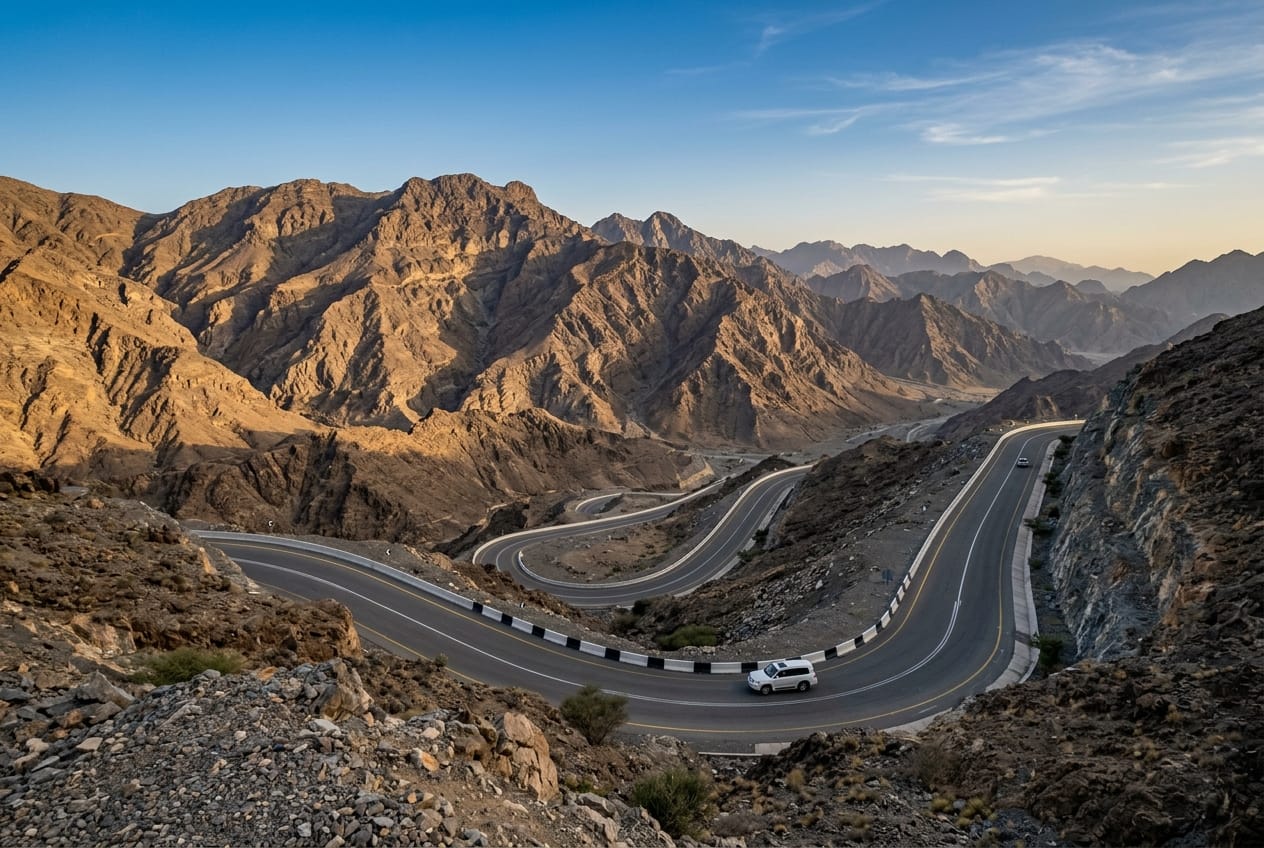
Step 2: Decide Between Guided and Independent Exploration
Some travellers prefer the freedom of setting their own pace, while others want the context that a local guide provides. Both approaches work in Hatta, but they suit different personalities.
Going solo gives you the flexibility to stop wherever the view catches your eye. You can follow the well-marked Hatta Wadi trails, rent a kayak at the dam, or drive the paved road that loops around the mountains. The main watch-out here is navigation: mobile reception can be patchy in the deeper wadis, so download offline maps before you leave the main road. Carry water, sunscreen and a basic first-aid kit.
Booking a guided tour takes the logistics off your hands and adds a layer of safety. A guide knows which wadis hold water after rain, where the best photo spots are, and how to read the weather. If you are new to mountain terrain or travelling alone, a guided option lets you relax into the scenery. A provider like Hatta Mountain Tour Dubai hatta mountain dubai can arrange transport, equipment and a route that matches your fitness level.
Step 3: Choose Your Core Activity
Hatta offers three main experiences, and the best choice depends on how you want to spend your energy.
- Hiking and trekking, Trails range from gentle 2 km walks along the wadi floor to strenuous 8 km ascents up the ridgeline. The Hatta Mountain Trail is a 22 km route for serious trekkers, but many visitors prefer shorter loops that still give panoramic views. Watch for loose scree on the steeper sections; hiking boots with good ankle support make a real difference.
- Water-based activities, The Hatta Dam is a deep turquoise reservoir surrounded by rock faces. Kayaking and stand-up paddleboarding are the most popular choices. The water is calm in the morning but can develop a light chop by midday. Life jackets are mandatory, and rental operators provide them. If you are not a strong swimmer, stick to the area near the launch point.
- Cycling and driving, Mountain bikers come for the Hatta Wadi Hub trails, which have graded routes for beginners through experts. Drivers can take the scenic loop road that connects the dam to the heritage village. The road is narrow in places, so keep an eye out for cyclists and hikers sharing the asphalt.
Step 4: Plan Your Time and Pace
A rushed visit to Hatta defeats its purpose. The mountains reward a slow pace, so build in time to sit and watch the light shift across the rock. Most people find that a full day, arriving by 8 am and leaving around sunset, feels about right for one main activity plus a walk through the heritage village.
If you want to do two activities, such as a morning hike and an afternoon kayak, consider staying overnight. The Hatta Dome Park and several guesthouses offer simple but comfortable lodging. An overnight stay also lets you catch the sunrise over the mountains, which is often the quietest and most beautiful moment of the day.

Step 5: Pack Smart for the Terrain
The mountain environment is forgiving if you prepare, but uncomfortable if you do not. Essentials include:
- At least 1.5 litres of water per person for a half-day outing, more if you are hiking or cycling
- Sun protection: a wide-brimmed hat, sunglasses and high-SPF sunscreen reapplied every two hours
- Sturdy footwear: closed-toe shoes with grip, not flip-flops, even for the dam area
- A light jacket or fleece: temperatures drop quickly after sunset, even in summer
- A small power bank: phone battery drains faster in hot or cold conditions, and you may need maps or emergency contact
One item many people forget is a change of clothes if they plan to kayak or paddleboard. The water is refreshing, but sitting in damp clothes on the drive back is less pleasant.
Step 6: Respect the Environment and Local Rules
Hatta is a protected area, and the rules exist to keep both the landscape and visitors safe. Stay on marked trails to avoid disturbing fragile vegetation and to reduce your risk of slipping on unsteady ground. Do not climb on the rock-cut tombs or other archaeological features in the heritage village; they are hundreds of years old and easily damaged.
Littering is a fineable offence, and there are no bins on the trails themselves. Pack out everything you carry in, including fruit peels and tissues. If you see wildlife, Arabian oryx, mountain goats or the occasional fox, enjoy the sight from a distance and do not feed them.
Step 7: Know How to Handle Weather Changes
Mountain weather can shift quickly. A clear morning can turn into a windy afternoon with sudden cloud cover. The main risk in Hatta is not rain but heat and sun exposure. However, flash floods do occur in the wadis during rare heavy rain. If you hear thunder or see dark clouds building, move to higher ground and avoid dry riverbeds. The local authorities close some trails during unstable weather, so check the Hatta Wadi Hub website or your tour operator for updates.
For most visitors, the biggest surprise is how cold it gets after dark. Even a warm day can drop to 12-15°C by nightfall in winter. If you plan to stay until after sunset, bring a jacket and consider a warm drink from one of the small kiosks near the dam.
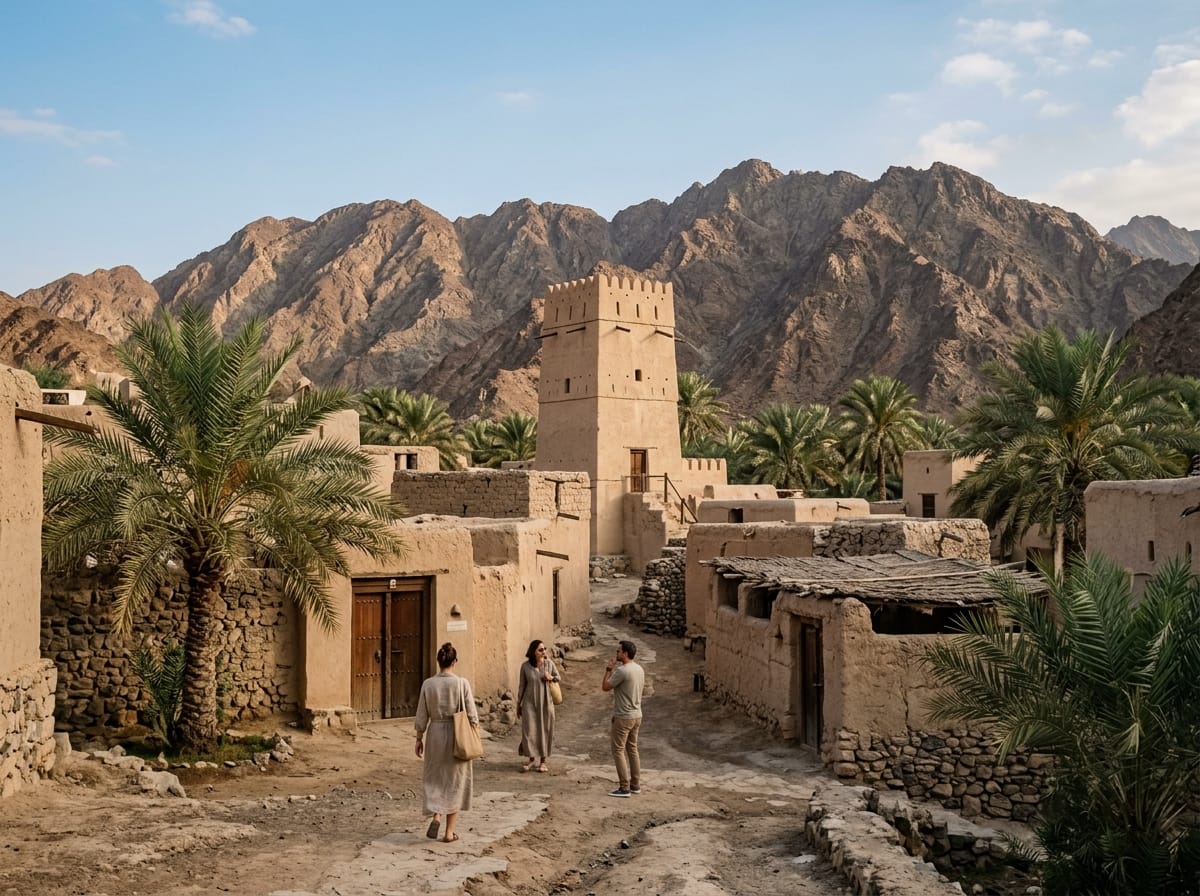
Step 8: Reflect on What You Really Want
The best way to pick the right Hatta mountain experience is to ask yourself one question: Do I want to be active all day, or do I want to sit still and absorb the landscape? Neither answer is wrong, but they lead to different choices. Active visitors will gravitate toward the hiking trails or a rented mountain bike. Those who want stillness will find it on the dam, in a kayak that barely moves, or on a bench at the heritage village watching the sun paint the rock.
Hatta rewards the visitor who tunes their plan to the season, their fitness and their mood. The mountains do not demand a checklist, they offer a space to move through at your own rhythm.